


Nairobi is one of the few capital cities in the world with a national park on its doorstep, and it pairs that with a dense concentration of conservation trusts, community schools and social enterprises that welcome structured student involvement. A direct flight of around five hours from Dubai puts a group on the ground in a city where volunteering work is visible, well organised and genuinely needed, rather than staged for visitors.
Groups work alongside established Nairobi organisations: the Sheldrick Wildlife Trust orphanage on the edge of Nairobi National Park, the African Fund for Endangered Wildlife Giraffe Centre in Langata with its Rothschild's giraffe breeding and education programme, and Kazuri Beads in Karen, a women's ceramics cooperative founded to employ single mothers. Context comes from the Nairobi National Museum on Museum Hill, the Karen Blixen Museum in the former coffee farmhouse below the Ngong Hills, and Karura Forest, where the reforestation work of Wangari Maathai's Green Belt Movement is still under way. Community partnerships in areas such as Kibera and Mathare are arranged through long-standing local organisations, with clear safeguarding protocols and pupils contributing to projects the community itself has identified.
Curriculum links
Volunteering
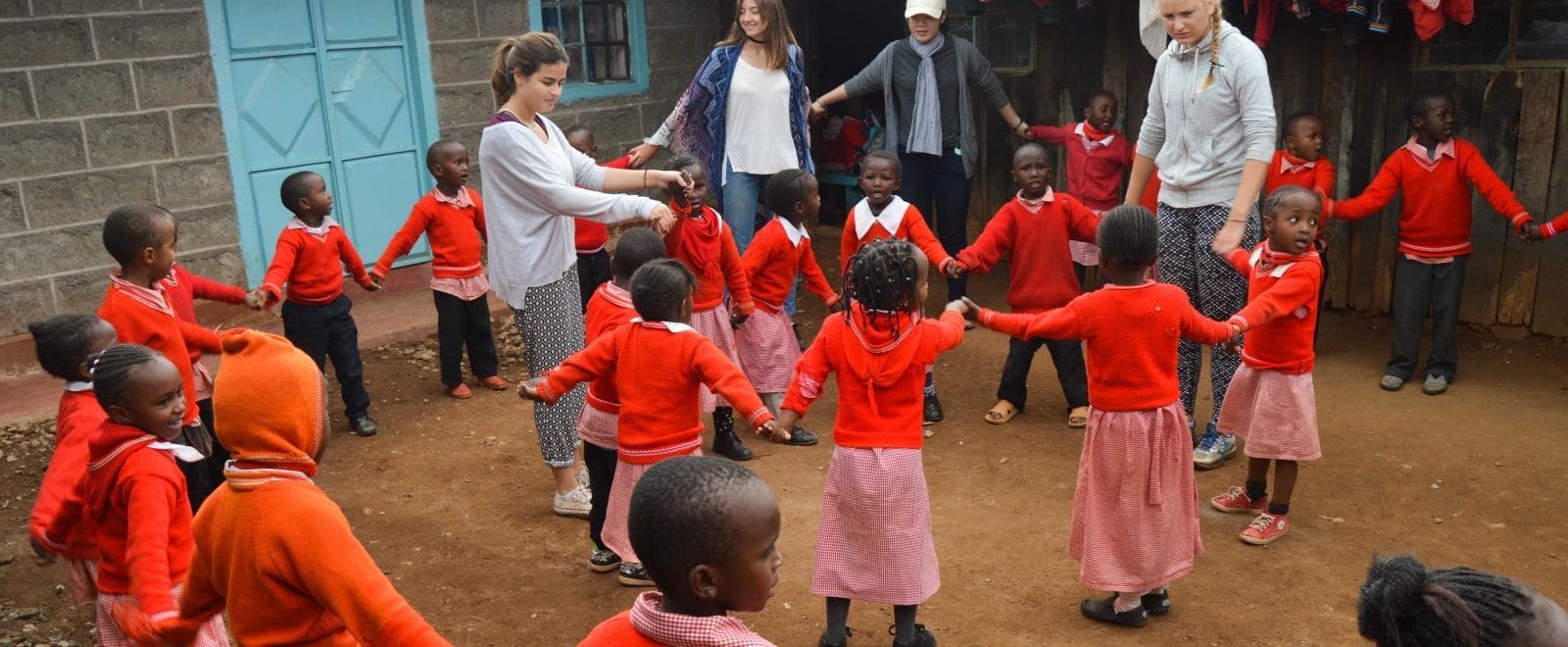
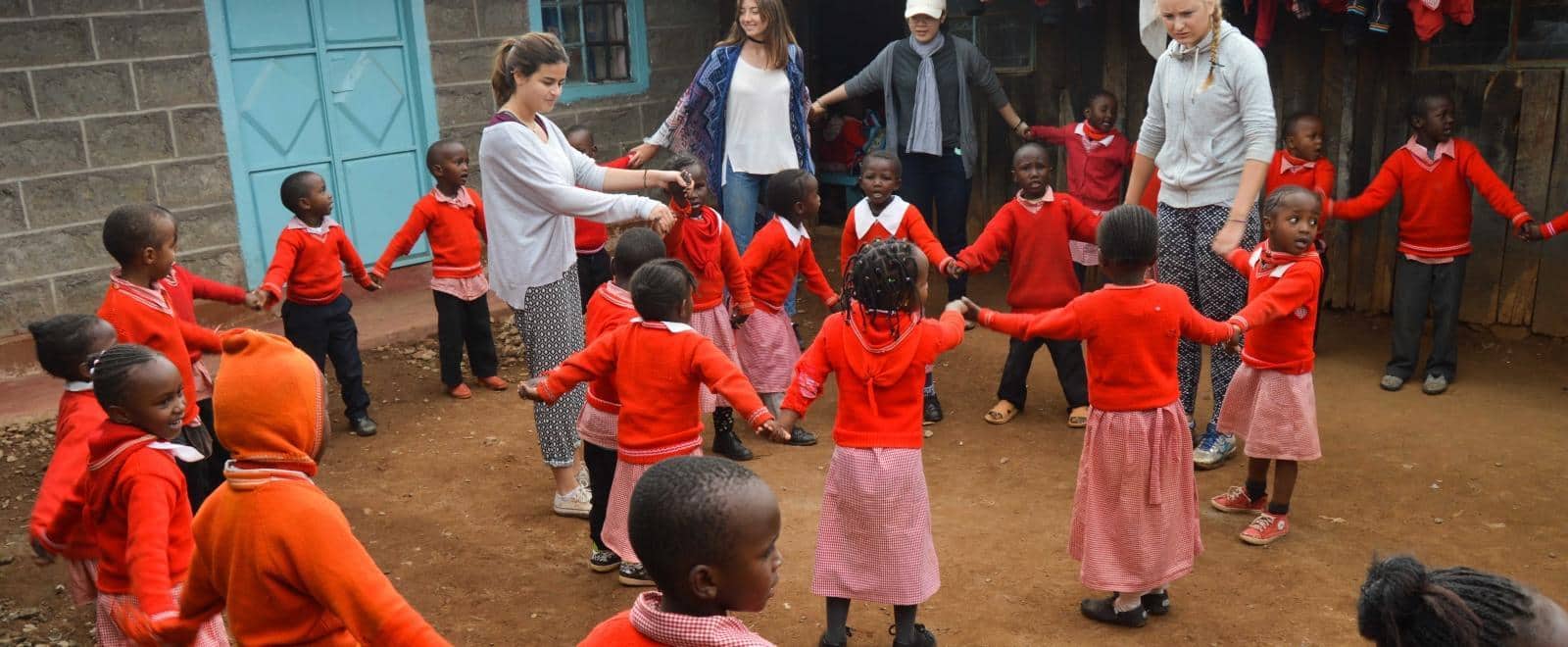
Placements range from tree-planting and invasive-species clearance in Karura Forest and the Nairobi Arboretum to classroom support, sports coaching and library work with partner schools, plus conservation education sessions at the Giraffe Centre and Sheldrick Wildlife Trust.
When to travel
At roughly 1,795 metres above sea level, Nairobi is far cooler than its equatorial position suggests, with daytime temperatures usually pleasant and evenings that call for a fleece. There are two rainy periods — the long rains and the short rains — when downpours tend to be heavy but brief, and the sun is strong year-round because of the altitude.
Spring
March to MayThe long rains; muddy outdoor sites and afternoon downpours make fieldwork harder.
Summer
June to AugustDry, cool and often overcast; the most reliable window for volunteering projects.
Autumn
September to NovemberWarm and clear early on, then the short rains arrive; October usually works well.
Winter
December to FebruaryWarmest and driest months, dusty by February, with excellent park visibility.