


Ulaanbaatar is one of the few capitals where a school group can stand in a national museum in the morning and be looking at open steppe and river valleys within an hour's drive. For geography students it presents an unusually legible city — a rapidly grown capital squeezed into the Tuul River valley, ringed by mountains, with formal apartment blocks giving way visibly to hillside ger districts.
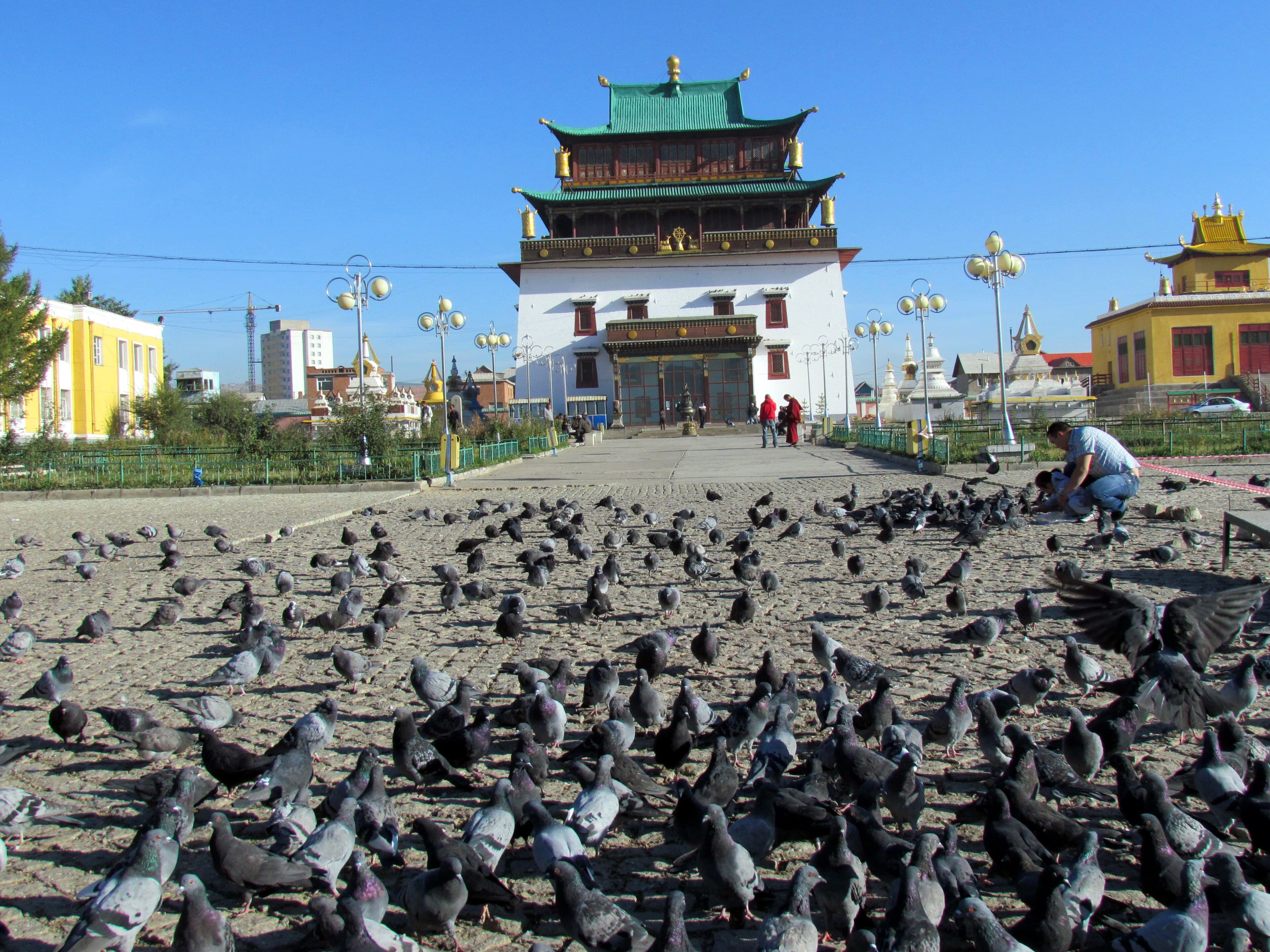
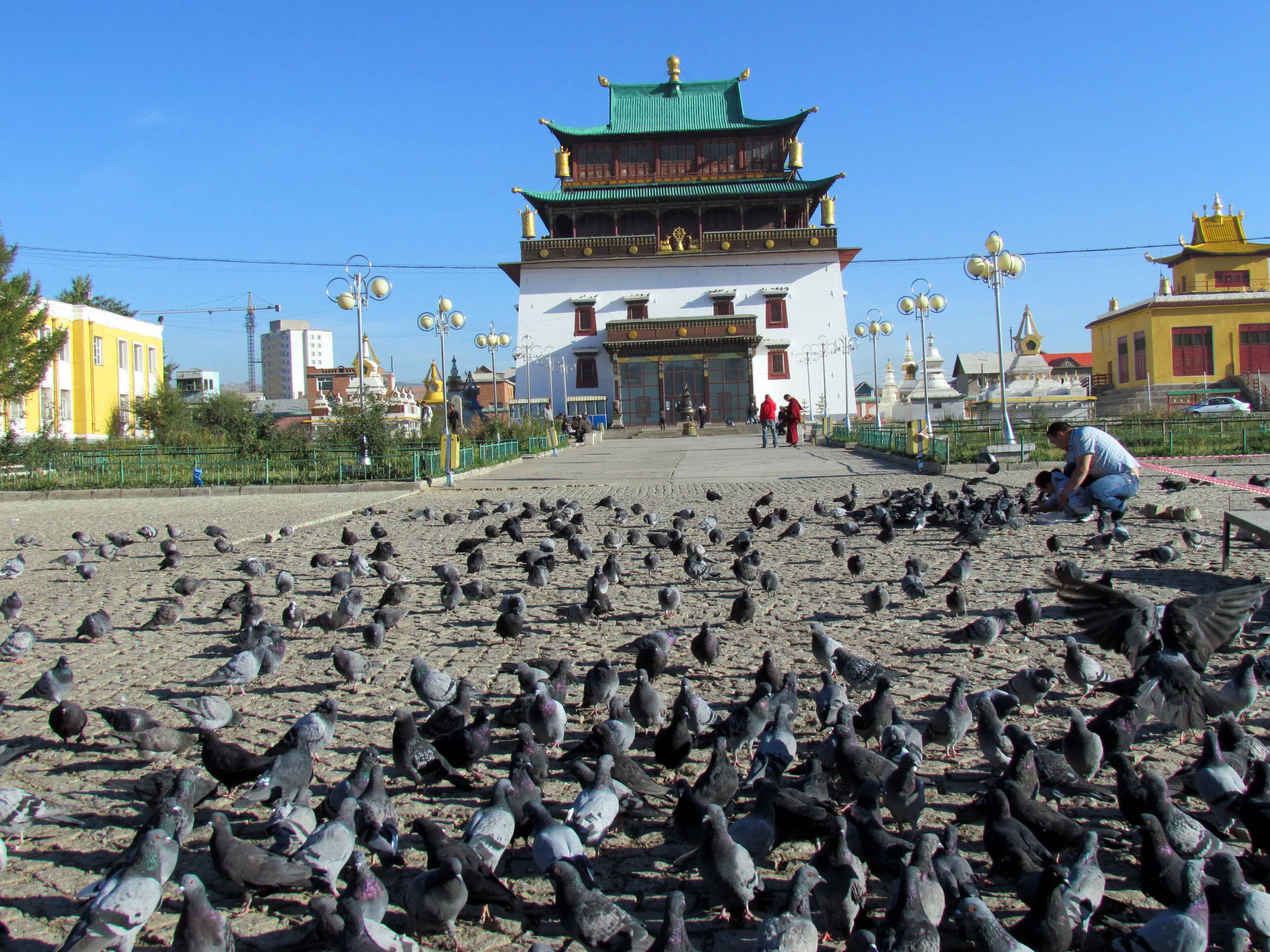
The Chinggis Khaan National Museum and the National Museum of Mongolia together cover the country's history and its shift from nomadic pastoralism to a settled capital, while the Zanabazar Museum of Fine Arts, the Choijin Lama Temple Museum and Gandantegchinlen Monastery show the religious life that survived the socialist period. The Zaisan Memorial hill gives the single best vantage point for reading the city's layout — the Soviet-planned grid around Sükhbaatar Square, the industrial belt and power stations, and the unserviced ger districts climbing the northern slopes. Day trips to Gorkhi-Terelj National Park and the Chinggis Khaan Equestrian Statue at Tsonjin Boldog put the urban fieldwork in its wider landscape context.
Curriculum links
Geography
Ulaanbaatar is a compact case study in rural-to-urban migration, informal settlement and air quality, with the ger districts, the Tuul River floodplain, the coal-fired plants and the Bogd Khan Uul Strictly Protected Area all within reach of a single base.
When to travel
Ulaanbaatar has an extreme continental climate and is generally reckoned the coldest capital city in the world, with long, dry, intensely cold winters and short warm summers. Rainfall is low year-round and concentrated in July and August, and the air is dry enough that students notice it even in mild weather.
Spring
March to MayCold, windy and dusty, thawing late; workable but layers and eye protection needed.
Summer
June to AugustWarm, green and clear — the standard window for school groups and fieldwork.
Autumn
September to NovemberCrisp and settled in September, then sharply colder; early autumn suits visits well.
Winter
December to FebruarySevere cold and heavy coal smog; not recommended for student groups.