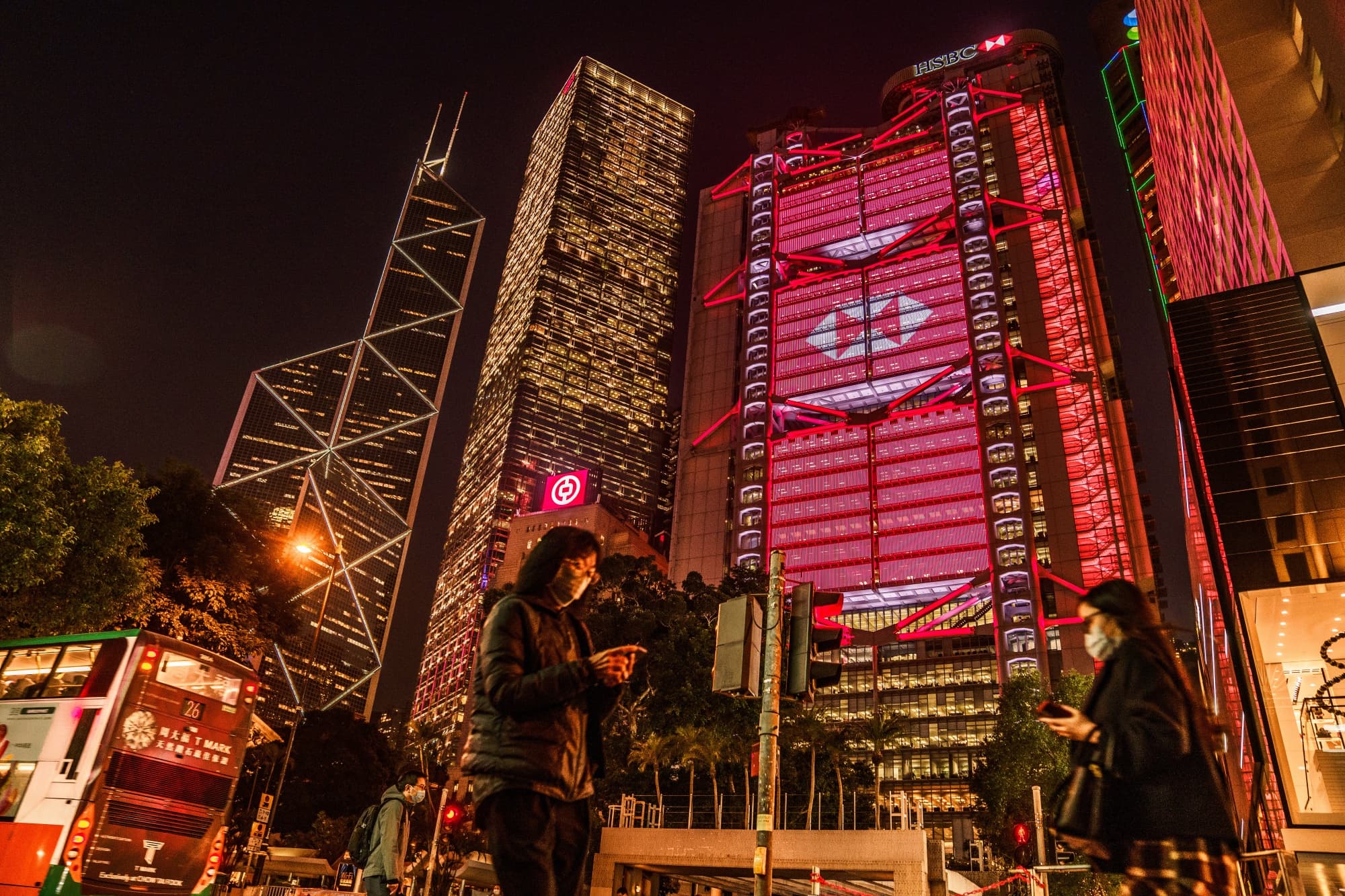



Few cities let students stand inside a working global financial centre the way Hong Kong does, where the trading floors of Central, the container cranes of Kwai Tsing and the shop-houses of Sham Shui Po sit within a single MTR ride of one another. For schools departing Dubai, the parallels are immediate — two harbour cities built on trade, free ports and reinvention — which makes comparison, rather than mere sightseeing, the heart of the visit.
Central and Admiralty form the teaching core: the Hong Kong Monetary Authority Information Centre on the 55th floor of Two International Finance Centre explains currency board arrangements and the linked exchange rate, while Exchange Square, the Bank of China Tower and HSBC Main Building sit within a short walk along the elevated footbridges. West Kowloon adds M+ and the Hong Kong Palace Museum for design, branding and the cultural economy, and the Hong Kong Museum of History in Tsim Sha Tsui traces the city from fishing villages to entrepôt to financial hub. Groups can also arrange visits to start-up spaces at Cyberport and Hong Kong Science Park in Sha Tin, and view the Kwai Tsing Container Terminals from Stonecutters Bridge or the Tsing Yi waterfront.
Curriculum links
Business & Economics
Students can move in one day from the HKMA Information Centre at Two IFC and the equities market around Exchange Square to the wholesale markets of Sheung Wan and the container terminals at Kwai Tsing, seeing capital markets, logistics and small-trader economics in the same harbour.
When to travel
Hong Kong is subtropical and hilly, so humidity is felt keenly on the walk up to Hollywood Road or the Mid-Levels, while every mall, museum and MTR carriage is firmly air-conditioned — layers matter more than students expect. Rain arrives in heavy bursts between May and September, and the typhoon signal system can suspend transport at short notice, which is why we build flexibility into itineraries in those months.
Spring
March to MayWarm, humid and often misty; the Peak view can vanish, but touring is comfortable.
Summer
June to AugustHot, wet and typhoon-prone; workable with indoor sites but not our first choice.
Autumn
September to NovemberDry, clear and mild from October — the strongest window for a school group.
Winter
December to FebruaryCool, dry and bright; light jackets needed, and ideal for long walking days.