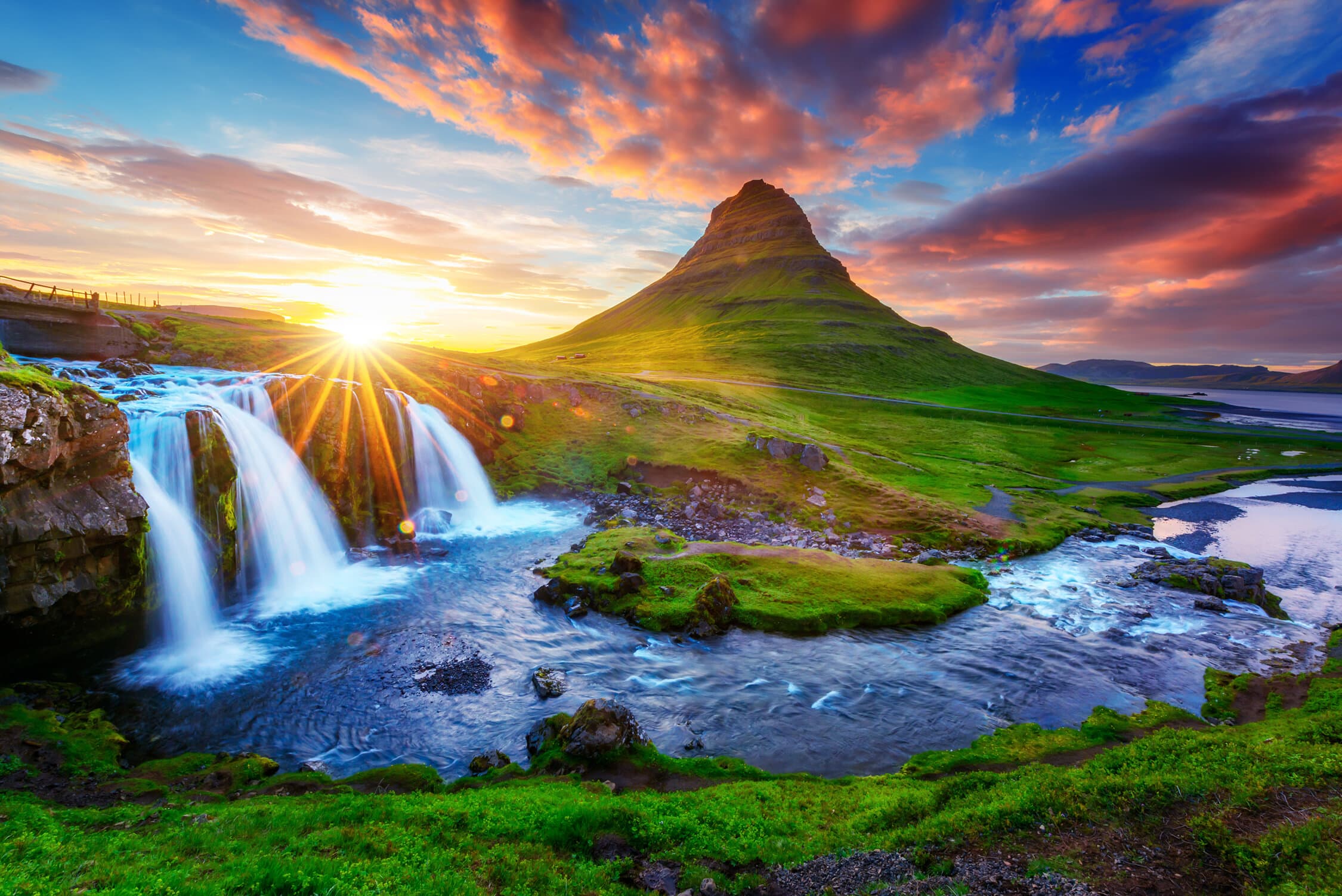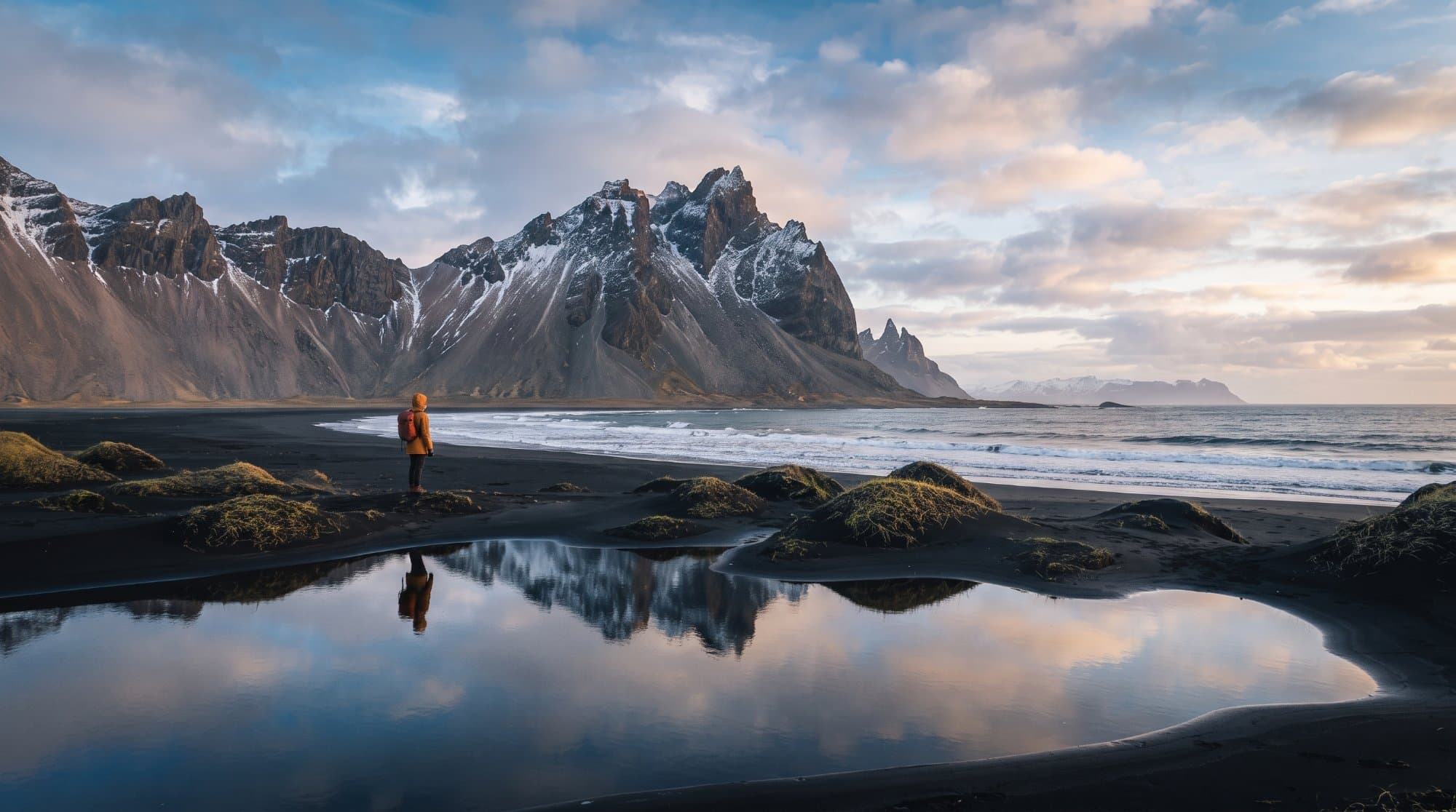



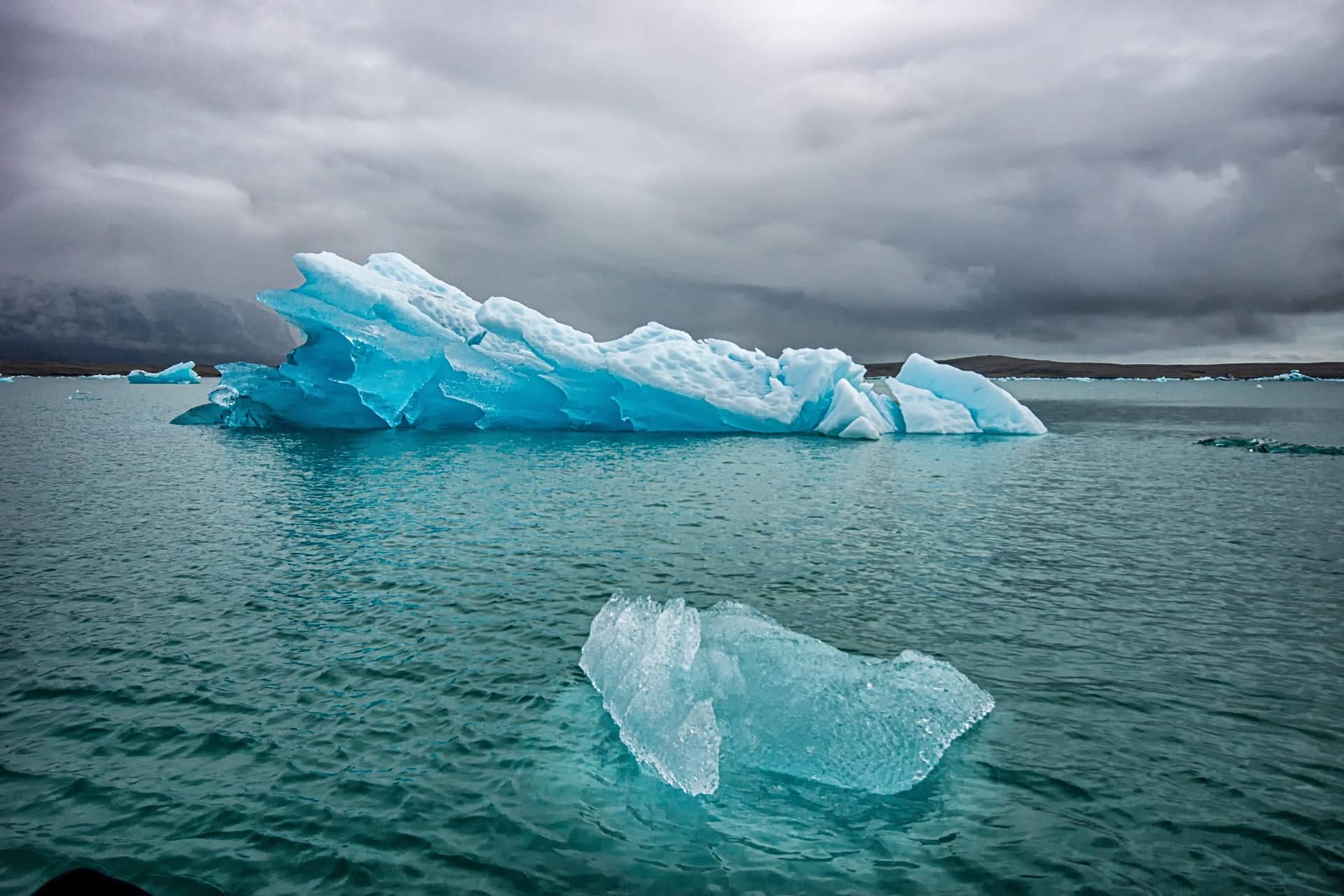
Iceland places students on the boundary between two tectonic plates, where geography is not illustrated on a page but visible in steam, ice and fresh basalt. For a school group studying physical processes, few destinations offer such a concentration of active landforms within short driving distances of Reykjavik.
Students can stand in the Almannagjá rift at Þingvellir, where the North American and Eurasian plates are pulling apart, then watch the Strokkur geyser erupt and walk to the snout of a retreating outlet glacier at Sólheimajökull in a single day. The Perlan exhibition and the Lava Centre at Hvolsvöllur turn plate tectonics and volcanic hazard into interactive fieldwork, while Reykjavik's geothermal district heating shows renewable energy as everyday infrastructure rather than theory. Glacial retreat is measured and signposted here, giving groups first-hand evidence of climate change over recent decades.
Curriculum links
Geography
Þingvellir's rift valley, the Gullfoss waterfall and Skógafoss, the black sand beach at Reynisfjara, Sólheimajökull glacier and the Reykjanes geothermal fields cover tectonics, glaciation, coastal processes and energy in one compact itinerary.
When to travel
Iceland is cool and changeable rather than severely cold, with Reykjavik averaging around 5.7°C across the year and Atlantic weather systems bringing rain, wind and sunshine within the same afternoon. Groups should plan for waterproof layers and sturdy boots in every season, as fieldwork days are spent largely outdoors.
Spring
March to MayCool, windy, lengthening days; snow clears from main routes. Good value for fieldwork.
Summer
June to AugustMildest weather and near-constant daylight. Best for highland and glacier access.
Autumn
September to NovemberWetter and darker, with early aurora chances. Sites quieter and still accessible.
Winter
December to FebruaryShort days, ice and closures possible. Dramatic, but itineraries need flexibility.