


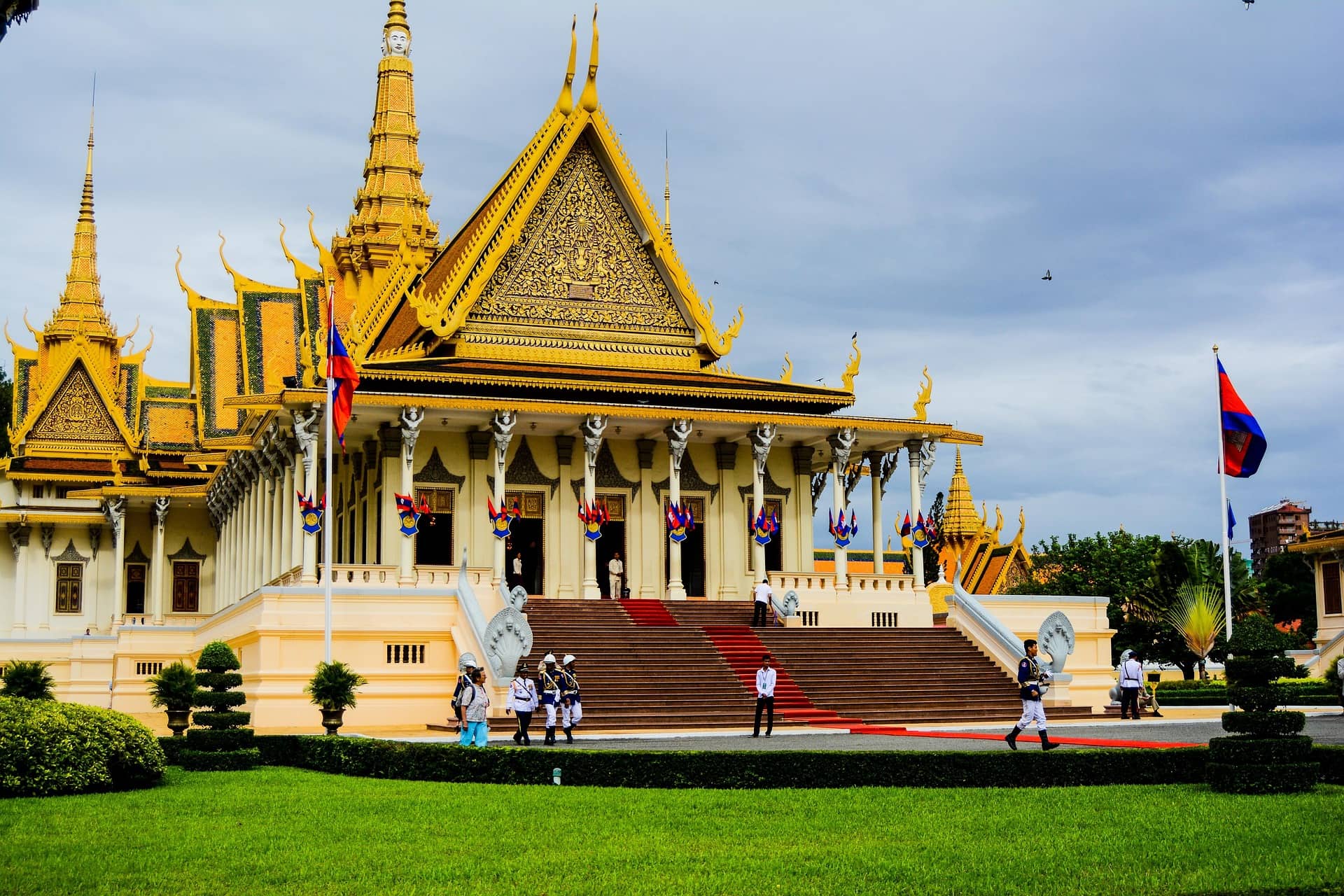
Cambodia offers school groups a rare combination of world-class heritage and genuine, well-structured community partnership work. Students who come here leave with a clearer understanding of how a country rebuilds, and of their own place in that story.
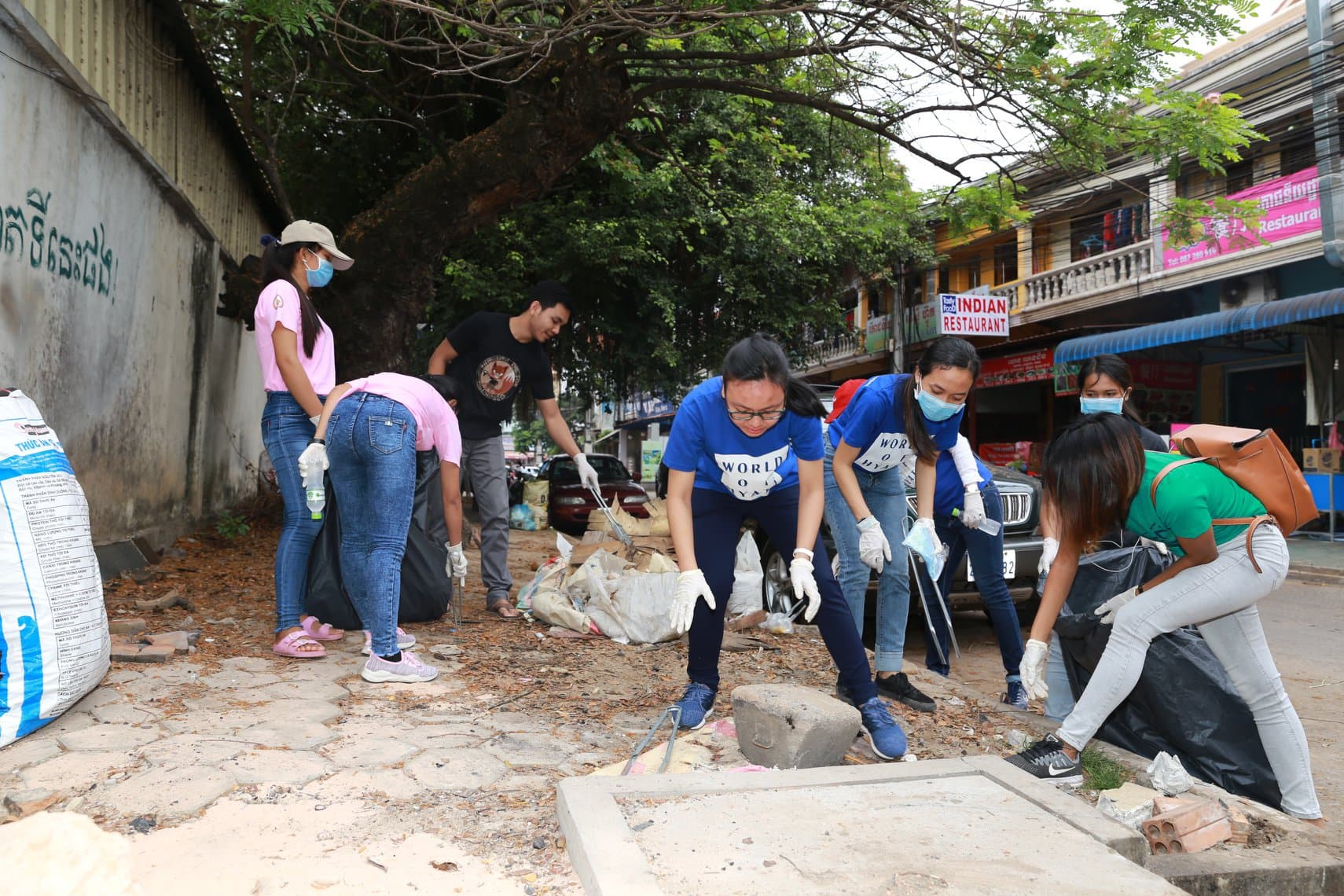
Nowhere else can students stand inside the temple city of Angkor in the morning and, that afternoon, sit with Cambodians who lived through the Khmer Rouge years at Tuol Sleng Genocide Museum or the Choeung Ek memorial. Volunteering placements in Siem Reap and Battambang province — school painting, English support, clean-water and vegetable-garden projects — are run with established local organisations, so students see the reasoning behind development work rather than simply providing labour. The contrast between rural Tonle Sap villages and fast-changing Phnom Penh gives young people a working case study in inequality and progress.
Curriculum links
Volunteering
Partner projects around Siem Reap, Battambang and the Tonle Sap floating villages involve students in school refurbishment, English language support and small-scale sanitation or garden builds alongside local staff who explain each project's long-term aims.
When to travel
Phnom Penh is warm all year, averaging close to 28°C, with high humidity and strong midday sun that groups from Dubai will find familiar in intensity if not in moisture. Rain in the wet season tends to arrive as heavy afternoon downpours rather than all-day grey, so mornings usually remain workable for outdoor projects.
Spring
March to MayThe hottest stretch, often above 35°C; schedule work early and rest at midday.
Summer
June to AugustWet season begins; green countryside, short heavy showers, good value and fewer crowds.
Autumn
September to NovemberWettest early on, then cooling; November is excellent for temples and project work.
Winter
December to FebruaryDriest and coolest, around 26-28°C. The ideal window for school groups.