


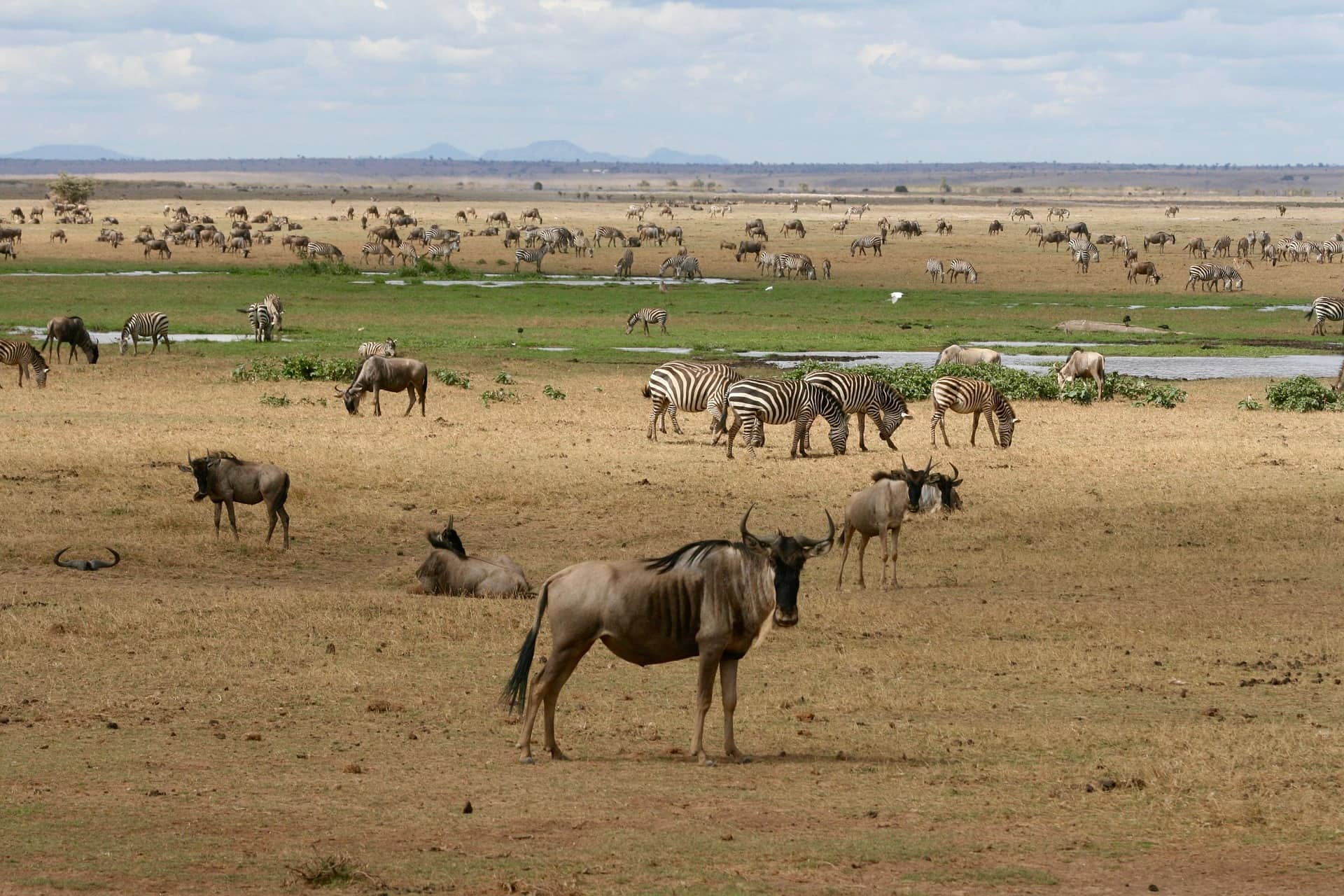
Kenya offers school groups the rare combination of world-significant conservation work, community partnership projects and landscapes that range from the Great Rift Valley to the coral coast at Diani. Trips here are built around genuine, structured volunteering with established local organisations, so students contribute to work that continues long after they fly home.
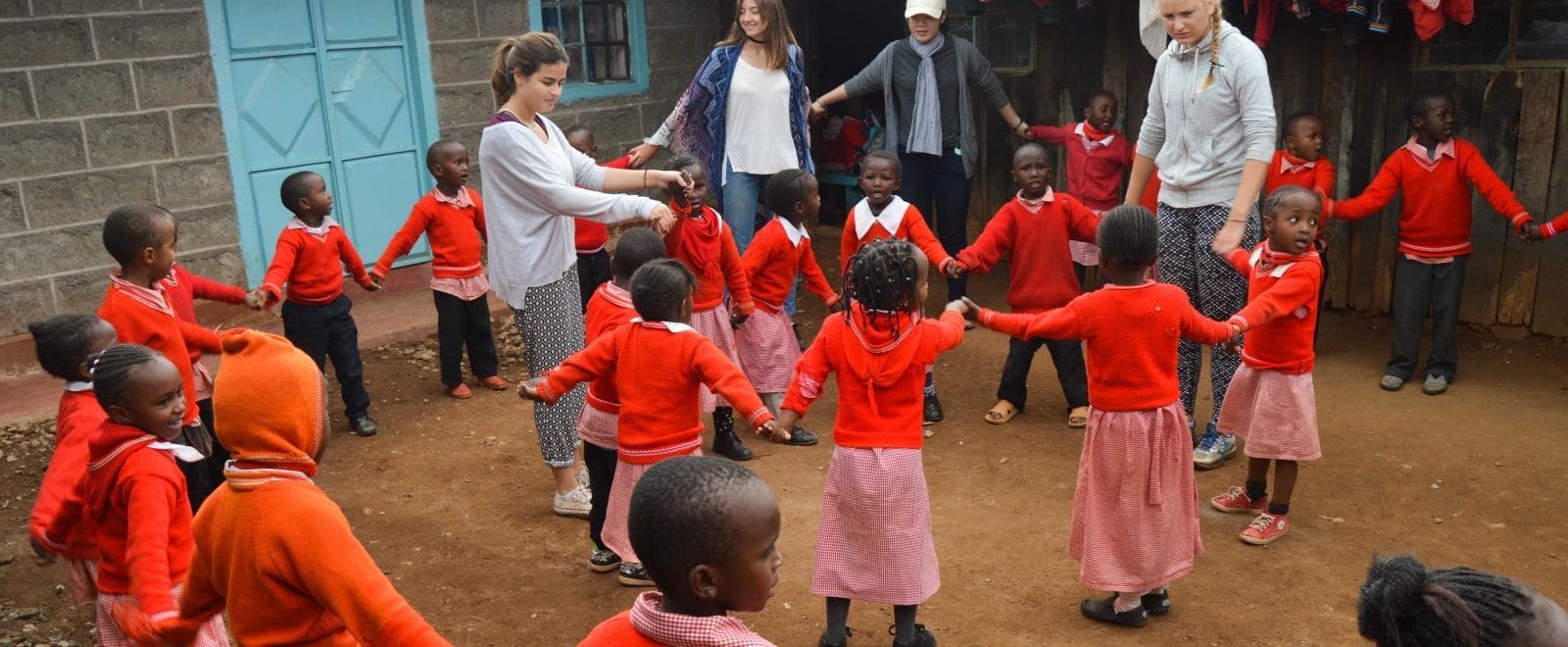
Students can work alongside Kenyan teachers, rangers and community groups on projects such as school refurbishment, tree planting and conservation support at sites near the Maasai Mara or Laikipia — practical service learning that cannot be replicated in a UAE classroom. Visits to the David Sheldrick Wildlife Trust elephant orphanage and the Giraffe Centre in Nairobi make the economics and ethics of conservation immediate rather than theoretical. Nairobi National Museum and the Karen Blixen Museum give the historical and cultural context for the communities students are working with.
Curriculum links
Volunteering
Structured placements with partner primary schools, community water and tree-planting projects, and conservation support near Nanyuki and the Maasai Mara let students see how sustained local partnership works in practice.
When to travel
Nairobi sits at over 1,600 metres, so despite being close to the equator it averages around 19.5°C, with warm days and genuinely cool evenings that catch groups out. The coast at Mombasa and Diani is considerably hotter and more humid, and rainfall comes in two distinct wet seasons rather than one.
Spring
March to MayThe long rains; heavy afternoon downpours and muddy tracks make fieldwork harder.
Summer
June to AugustDry, mild and clear in Nairobi. The strongest window for school groups.
Autumn
September to NovemberDry early, then short rains from late October. September and October work well.
Winter
December to FebruaryWarm, dry and sunny; excellent conditions, though a popular travel period.