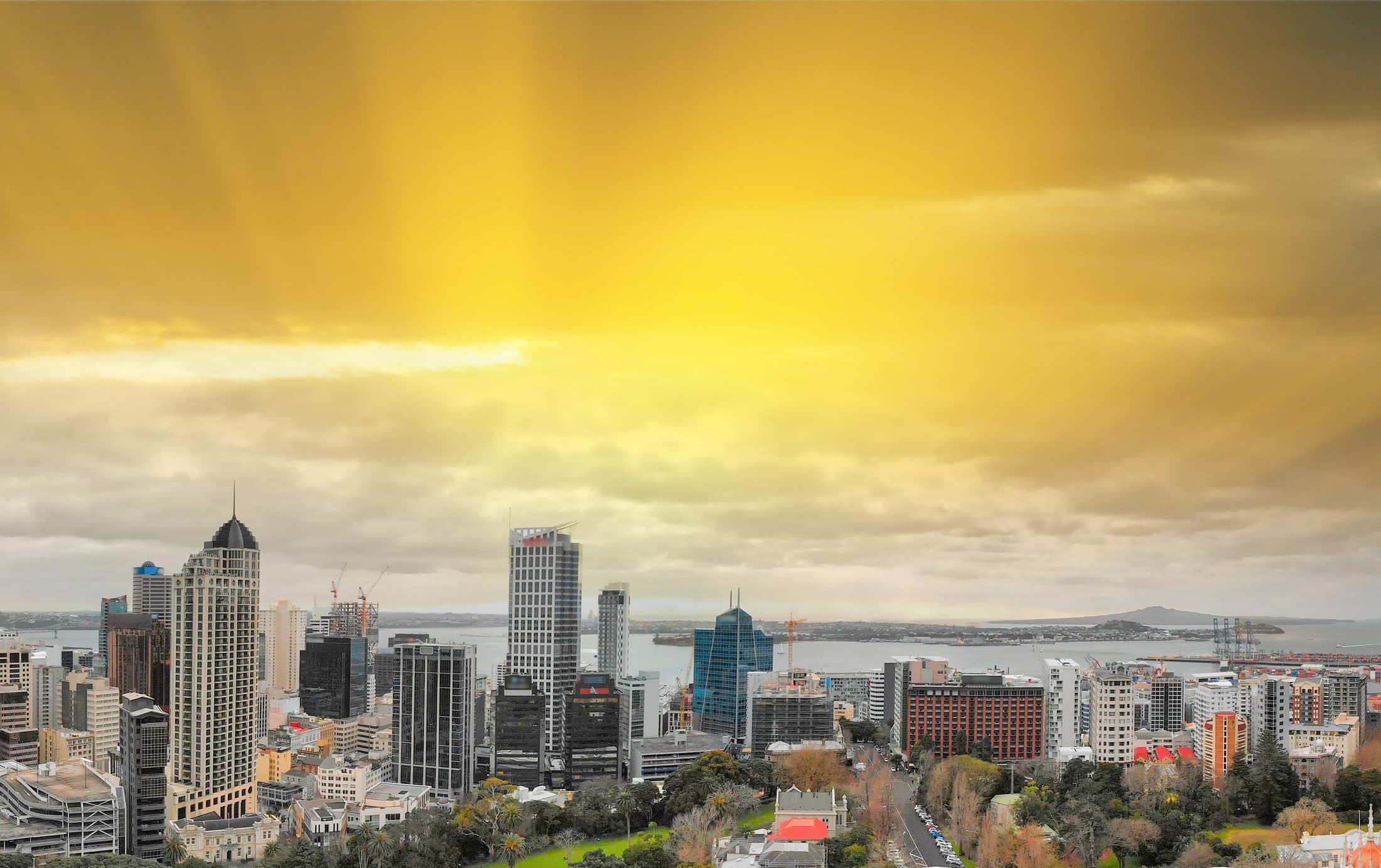



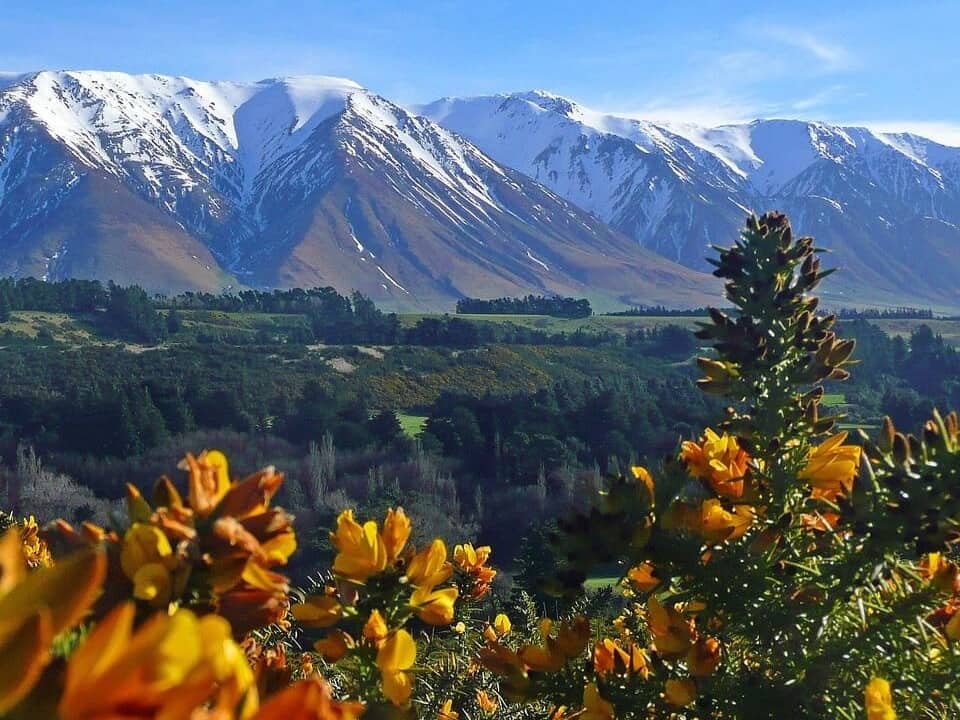
New Zealand offers school groups a compact country with an extraordinary range of landscapes — glaciers, fjords, volcanoes and temperate rainforest — often within a single day's travel. It is also the birthplace of much of modern outdoor education practice, with a well-regulated adventure tourism sector and a strong Māori cultural presence that gives fieldwork genuine depth.
Students can stand on an active volcanic plateau at Tongariro in the morning and study glacial valleys at Franz Josef days later, seeing plate tectonics and glaciation at work rather than in diagrams. Māori hosts at Te Puia in Rotorua and marae across the country teach guardianship of land and water in their own words, which reframes how students think about environmental responsibility. Predator-free sanctuaries such as Zealandia in Wellington show conservation as an ongoing, measurable project.
Curriculum links
Outdoor Education
Tongariro Alpine Crossing, sea kayaking in the Abel Tasman National Park and caving at Waitomo give students graded, instructor-led challenges alongside navigation, camp craft and group leadership practice.
When to travel
New Zealand is temperate and maritime, so groups should expect changeable conditions rather than extremes, with Wellington averaging around 13.9°C across the year and known for its wind. Weather can shift within hours in mountain and coastal areas, so layered clothing and waterproofs matter more than any particular season.
Spring
September to NovemberCool, showery and green; long daylight returning and good for tramping and rafting.
Summer
December to FebruaryWarmest and driest, ideal for coastal and alpine work, but the busiest period.
Autumn
March to MaySettled, clear days with fewer crowds; an excellent window for school groups.
Winter
June to AugustCold and wet in the south, snow in the Alps; suits ski and snowcraft programmes.