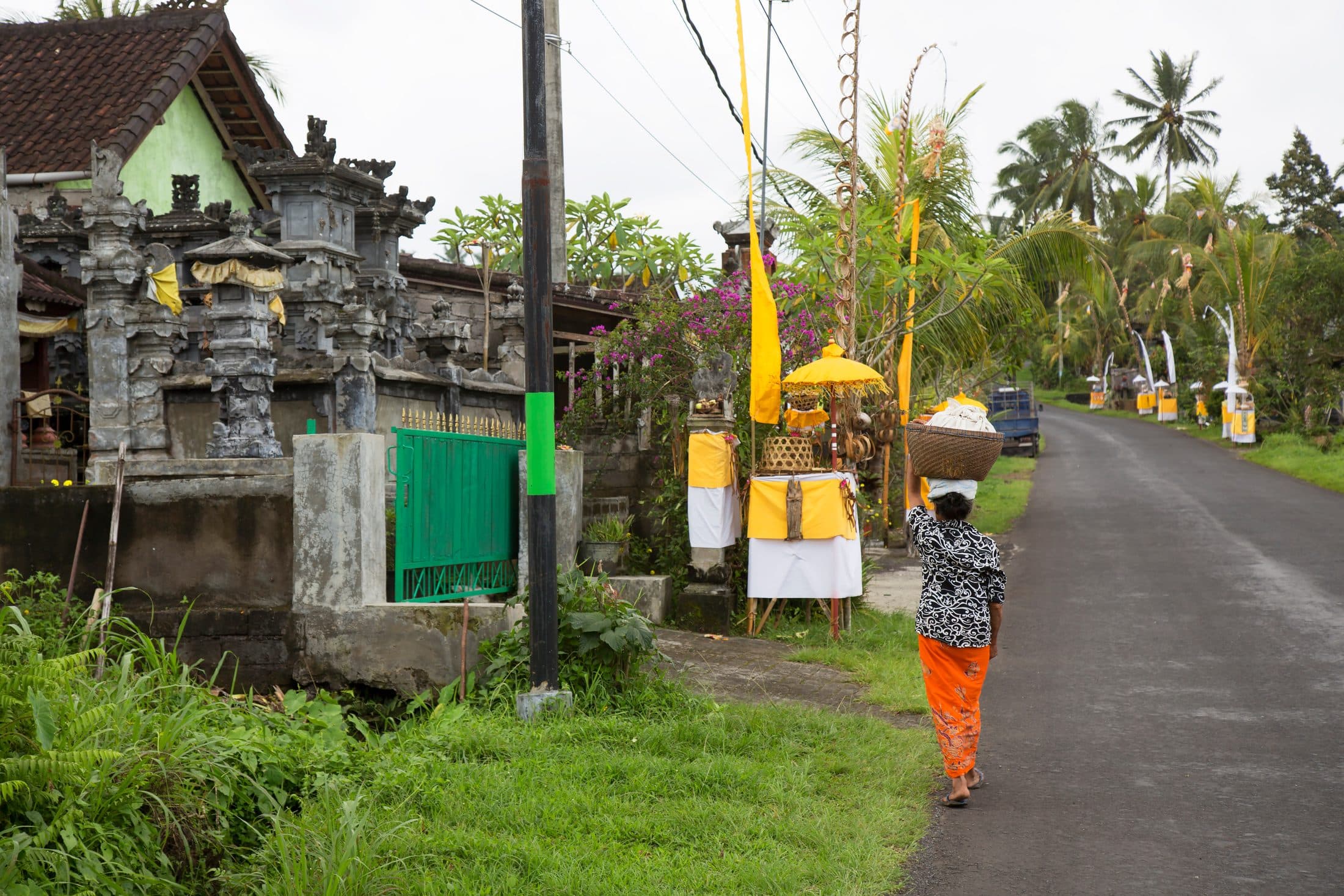



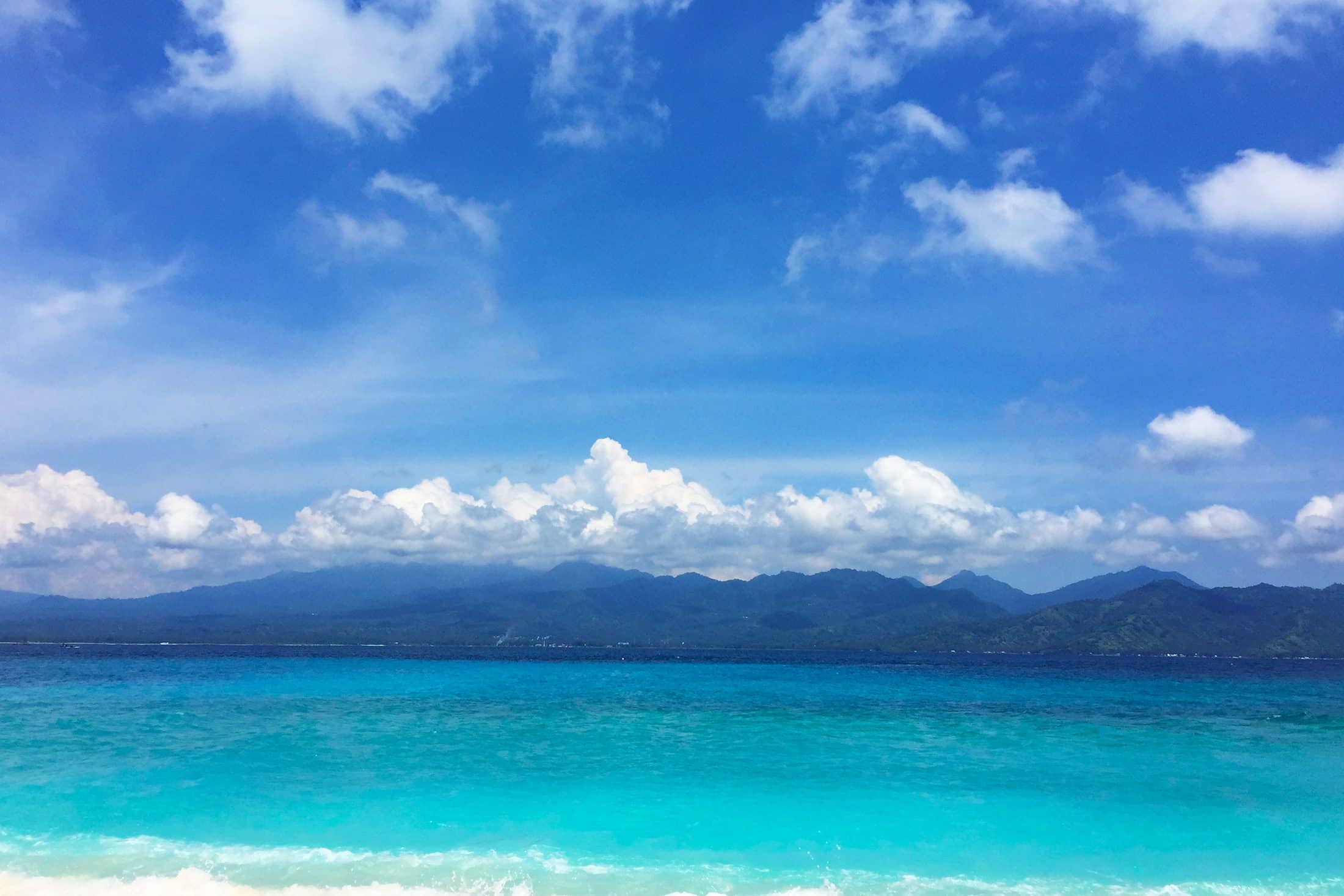
Indonesia spreads more than 17,000 islands across the equator, giving school groups active volcanoes, coral reefs and rice terraces within a single itinerary. It is an outstanding setting for outdoor education, where fieldwork, expedition skills and community projects all take place in landscapes students will not forget.
Students can stand on the rim of an active volcano at Mount Bromo, snorkel reef systems in the Coral Triangle, and walk the Jatiluwih rice terraces where the subak irrigation system has been managed communally for over a thousand years. Village homestays and conservation work with organisations such as the Bali turtle hatcheries put students alongside people whose livelihoods depend directly on the land and sea. Few places allow a group to study tectonics, tropical ecology and traditional land management within the same week.
Curriculum links
Outdoor Education
Expedition trekking on Mount Batur and Mount Bromo, jungle navigation in Bali's Sambangan gorges, sea kayaking and snorkelling off Nusa Lembongan, and rafting on the Ayung River build genuine expedition and risk-management skills.
When to travel
Indonesia is tropical and humid year-round, with Jakarta averaging around 27°C and little seasonal variation in temperature. Groups feel the difference in rainfall rather than heat, and altitude brings real relief — dawn on Mount Bromo can be close to freezing.
Spring
March to MayWet season tailing off; warm, green and less crowded. A good window for treks.
Summer
June to AugustDry season, clearest skies and best diving. The strongest choice for school groups.
Autumn
September to NovemberDry into September, then building rain. Early autumn suits expedition work well.
Winter
December to FebruaryPeak monsoon with heavy afternoon downpours. Least suitable for outdoor itineraries.