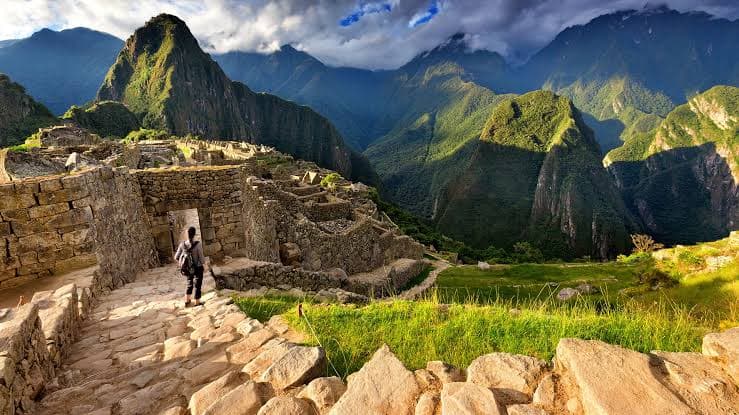



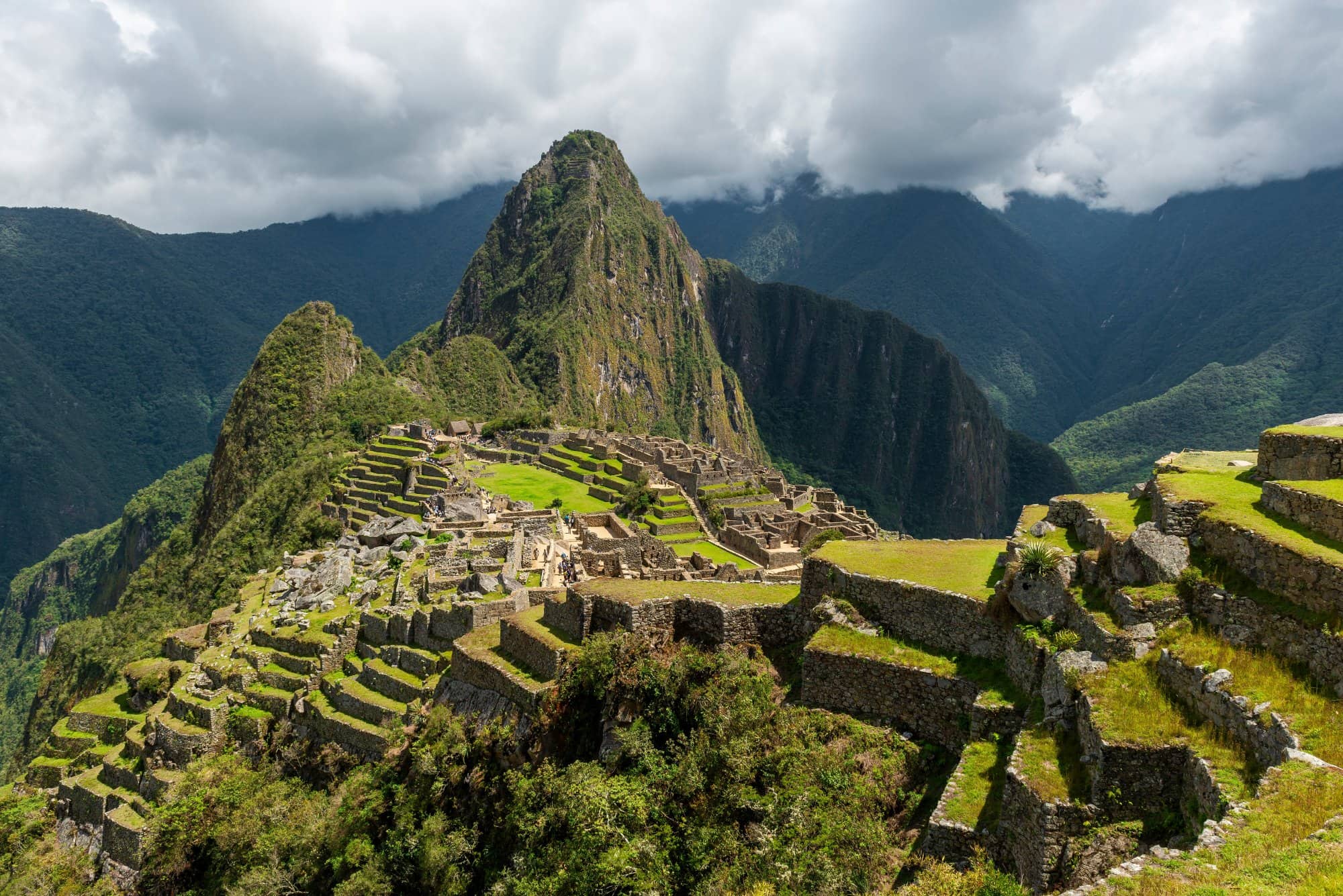
Peru places students inside one of the world's great civilisations while they stand on the terraces that built it, from Machu Picchu and the Sacred Valley to the colonial streets of Cusco and Arequipa. Few destinations let a school group move from Pacific desert to high Andes to Amazon rainforest within a single itinerary, with each stage offering something a classroom cannot reproduce.
Students can walk Inca agricultural terraces at Moray and Pisac, examine Nazca and Moche artefacts at the Larco Museum in Lima, and see Andean geology and glacial retreat first hand in the Cordillera Blanca near Huaraz. The Amazon lodges reached from Puerto Maldonado and Iquitos allow guided canopy and river work on biodiversity, while the floating Uros islands of Lake Titicaca show communities adapting to an extreme environment. Working at altitude in Cusco, at roughly 3,400 metres, also gives students a direct understanding of how the human body responds to thin air.
When to travel
Peru has three distinct climatic zones running side by side, so a group may leave grey coastal Lima in the morning and arrive in bright, thin-aired Cusco the same afternoon. Highland days are warm in the sun and genuinely cold after dark, while the Amazon stays hot and humid throughout the year, which means layered packing rather than a single kit list.
Spring
September to NovemberHighland rain returning gradually; quieter trails and comfortable walking conditions.
Summer
December to FebruaryWettest Andean months; Inca Trail closed each February for maintenance.
Autumn
March to MayRain easing, landscapes at their greenest; a strong window for school groups.
Winter
June to AugustDry, clear and cold at night in the Andes; peak season, so book early.