


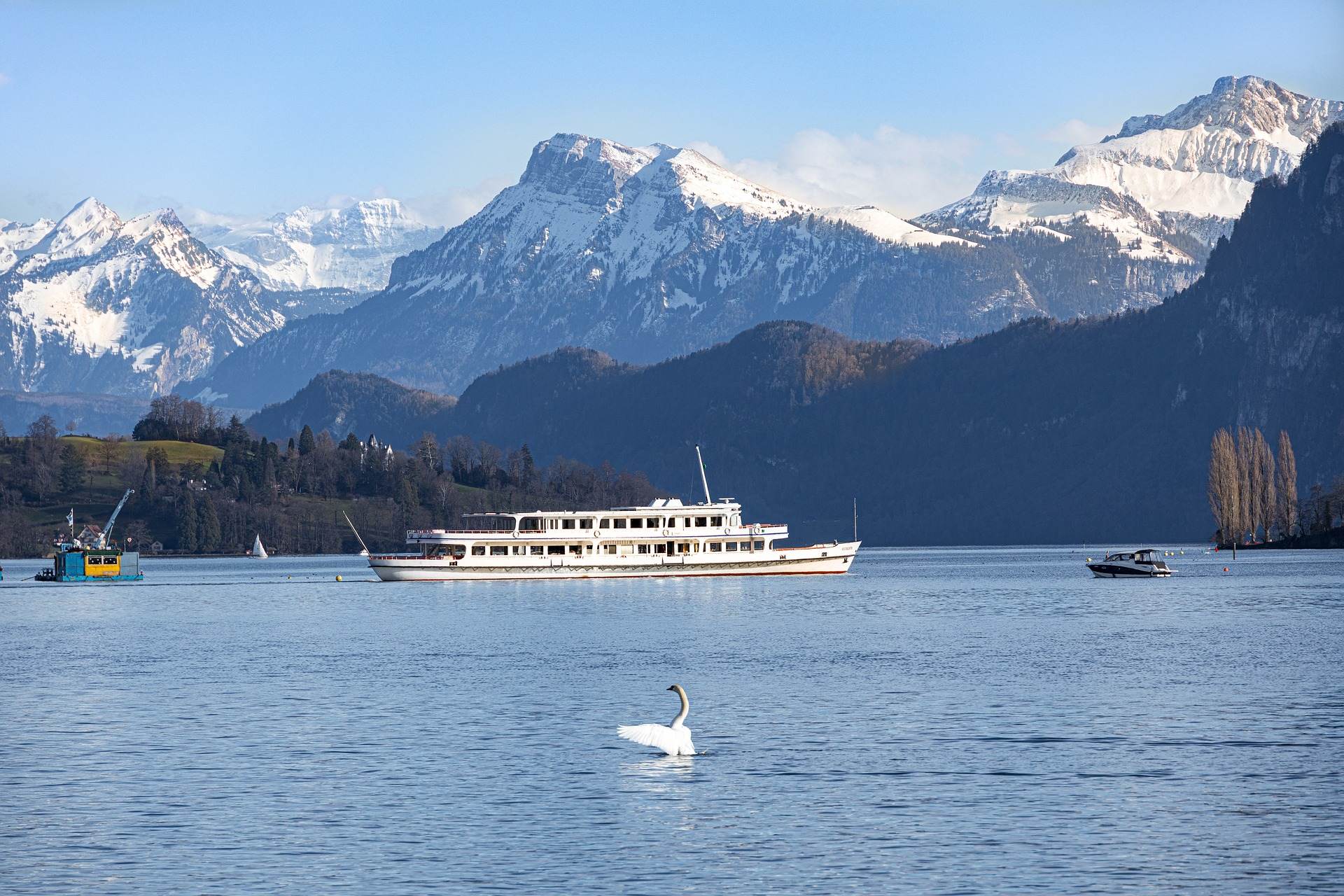
Switzerland places glaciers, high-alpine railways and world-class research institutions within a few hours of one another, which makes it unusually efficient ground for a school visit. Groups can study a retreating glacier in the morning and stand inside a particle physics laboratory or a UN debating chamber the same week.
Few countries let students see textbook geography at first hand so directly: the Aletsch Glacier and the Rhône Glacier show ice retreat measurable against marked historic positions, and the Lauterbrunnen valley is a classic U-shaped trough with more than seventy waterfalls. Geneva holds CERN, the Palais des Nations and the ICRC Museum, giving students access to international diplomacy and fundamental science in a single city. Switzerland's four official languages and its cantonal, direct-democracy system also make it a live case study in how a multilingual federal state governs itself.
When to travel
Bern averages around 9.7°C across the year, with warm but rarely oppressive summers and cold, often snowy winters. Altitude matters more than season in the mountains, where groups can meet snow at Jungfraujoch in July, so layered clothing and waterproofs are needed on any itinerary.
Spring
March to MayMelting snow, full waterfalls, some high passes still shut; good for valley walks.
Summer
June to AugustWarmest and best for hiking and glacier fieldwork; busiest and priciest period.
Autumn
September to NovemberClear air, quiet trails, vineyard harvests; ideal for city and fieldwork trips.
Winter
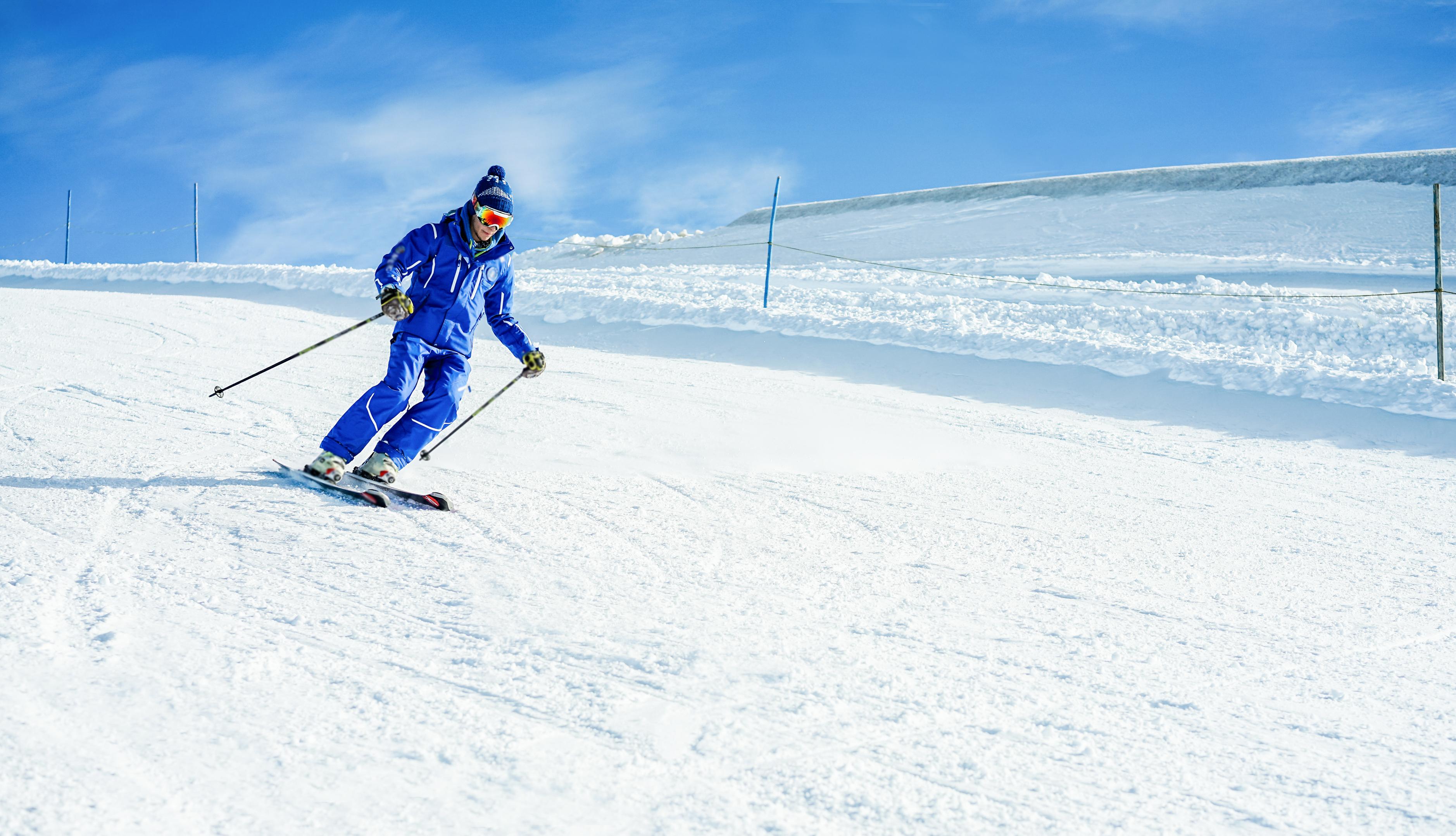
December to FebruarySnow, short days and cold; suits ski and alpine-hazard programmes only.