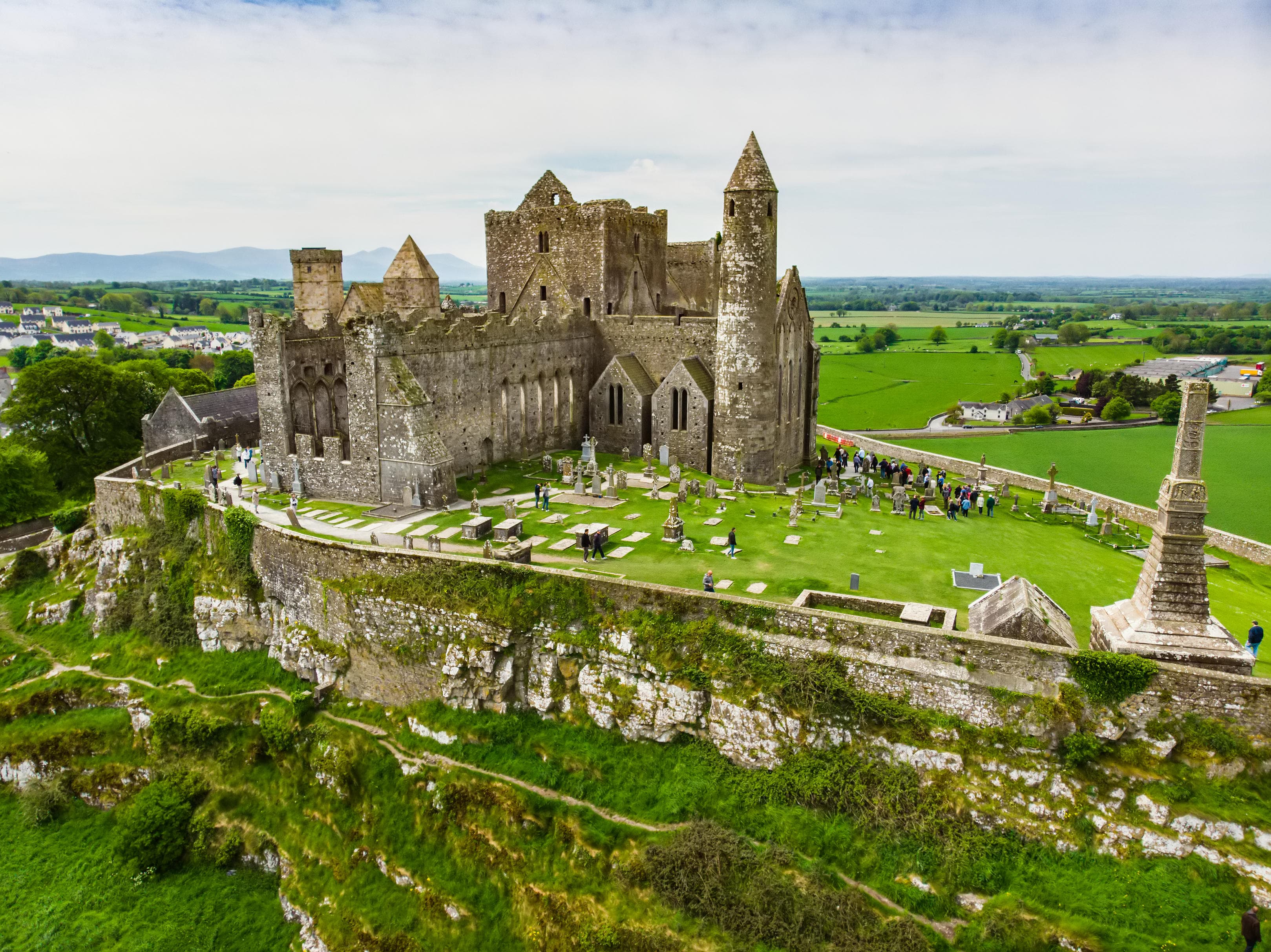



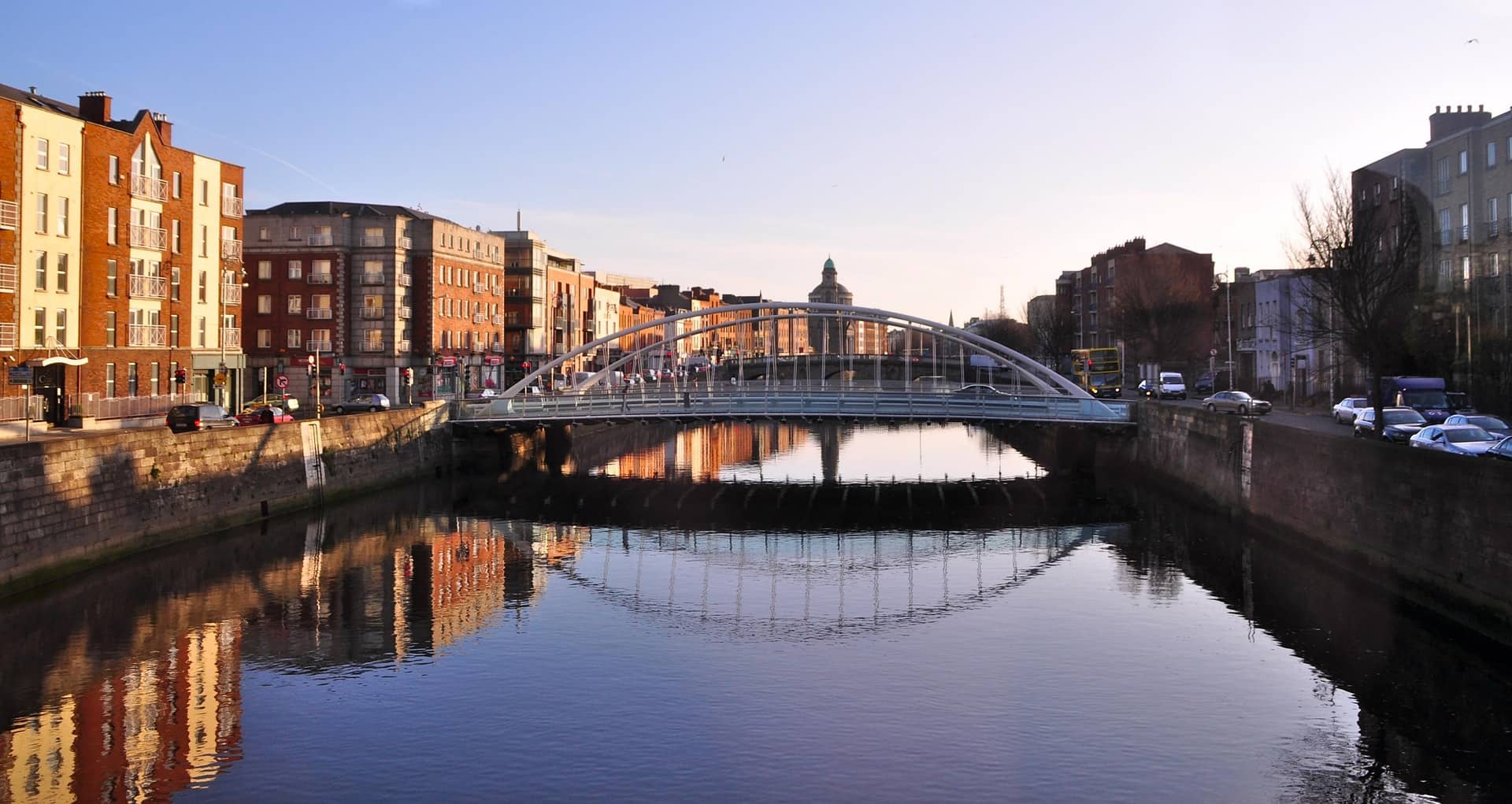
Ireland offers school groups a compact island where literature, geology and living tradition sit within easy reach of one another. From Dublin's writers' museums to the basalt columns of the Giant's Causeway, students encounter a landscape and a culture that reward close, unhurried looking.
Few countries let students stand on 60-million-year-old volcanic basalt in the morning and read Yeats in the library that holds his manuscripts by the afternoon. The National Museum of Ireland's Bog Bodies exhibition, Trinity College's Book of Kells and the glacial valleys of Glendalough give first-hand access to material that most classrooms meet only as images. Ireland is also one of the clearest places to study a bilingual society, with the Gaeltacht regions of Connemara and Dingle sustaining Irish as an everyday language.
When to travel
Dublin averages around 11.4°C across the year, with mild winters, cool summers and rain possible in any month. Groups should plan for changeable conditions rather than extremes: waterproofs and layers matter far more than heavy coats or sun hats.
Spring
March to MayCool, bright spells, green landscapes; among the best windows for school trips.
Summer
June to AugustMild, long daylight until late evening; busiest at major sites, still comfortable walking.
Autumn
September to NovemberFewer crowds, wetter and windier; good for city-based and museum itineraries.
Winter
December to FebruaryMild but dark by mid-afternoon; workable for Dublin, limited for coastal walking.